
Stainless steel benches are a mainstay in cafés, restaurants, and commercial kitchens throughout Queensland and broader Australia, valued for their durability, hygiene, and straightforward maintenance in demanding hospitality environments. When selecting appropriate benches, operators should consider grade 304 stainless steel for superior corrosion resistance, minimum 1.2mm thickness for heavy-use surfaces, and practical features including under-shelves, backsplashes, and castors or adjustable feet. Common applications range from prep stations and washing areas to mobile workstations and outdoor kitchenettes, with various configurations available including flat work benches, sink benches, and corner units. Whilst these benches are typically associated with commercial kitchens, Cafe Solutions also offers complementary hospitality furniture to create cohesive, functional workspaces that meet Australian food safety standards whilst maintaining professional aesthetics.
Benefits of Stainless Steel Benches
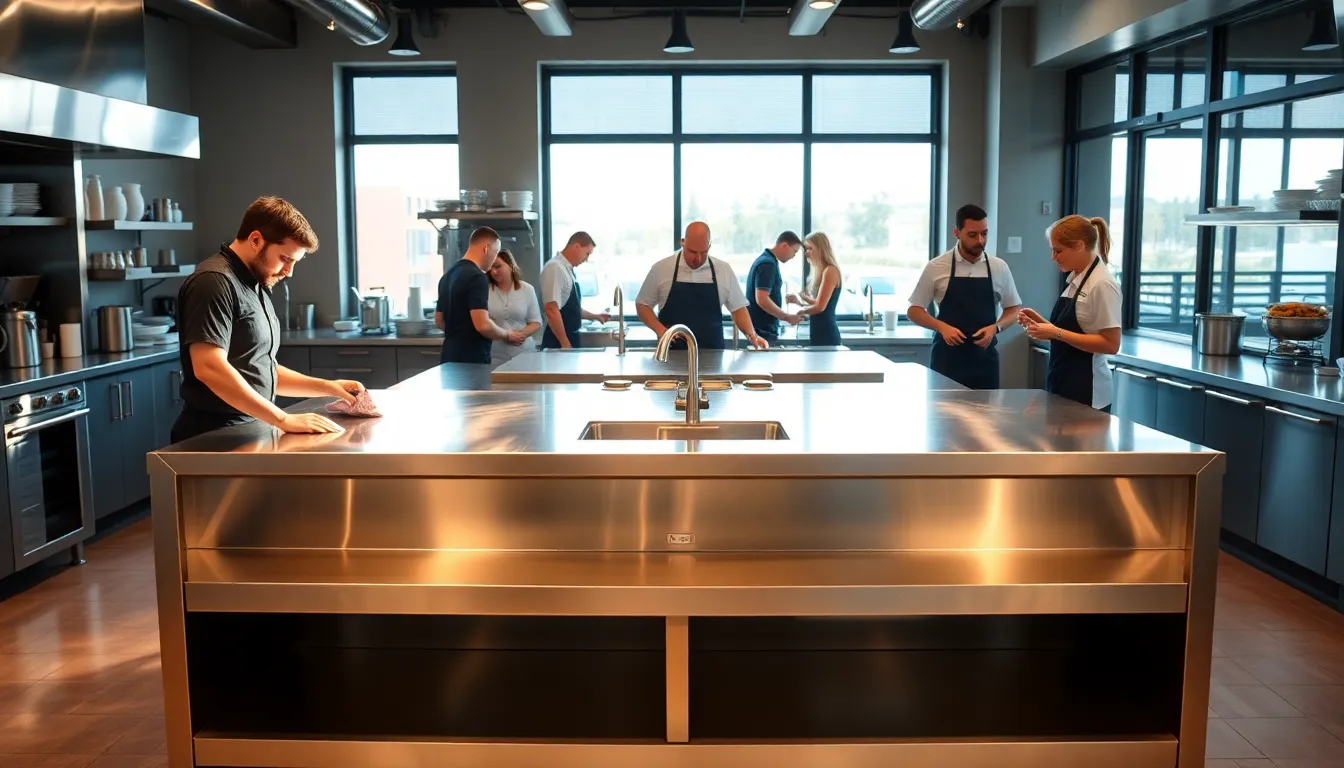
Stainless steel benches offer several clear-cut advantages for commercial and hospitality use:
- Hygienic Surface: Stainless steel is non-porous, meaning it does not harbour bacteria or absorb spills. This is critical in food handling zones and kitchens, where adherence to strict food safety standards is essential.
- Corrosion Resistance: Unlike ordinary steel or alternative surfaces, stainless steel resists rusting, even in humid environments. This extends the bench’s service life and reduces maintenance costs over time.
- Strength and Stability: Stainless steel benches can withstand heavy equipment, storage, and workflow demands without warping.
- Easy Cleaning: Surfaces wipe down quickly with standard kitchen cleaners, making end-of-day procedures simple for busy staff.
- Versatile Design: Most models can accommodate sinks, shelves, or castors for mobility. Stainless steel’s neutral finish also suits most venue decors, from rustic cafés to modern restaurants.
Cafe Solutions in Queensland emphasises these benefits in their range, ensuring operators get value for money as well as products that comply with Australian hospitality regulations.
Common Applications for Stainless Steel Benches
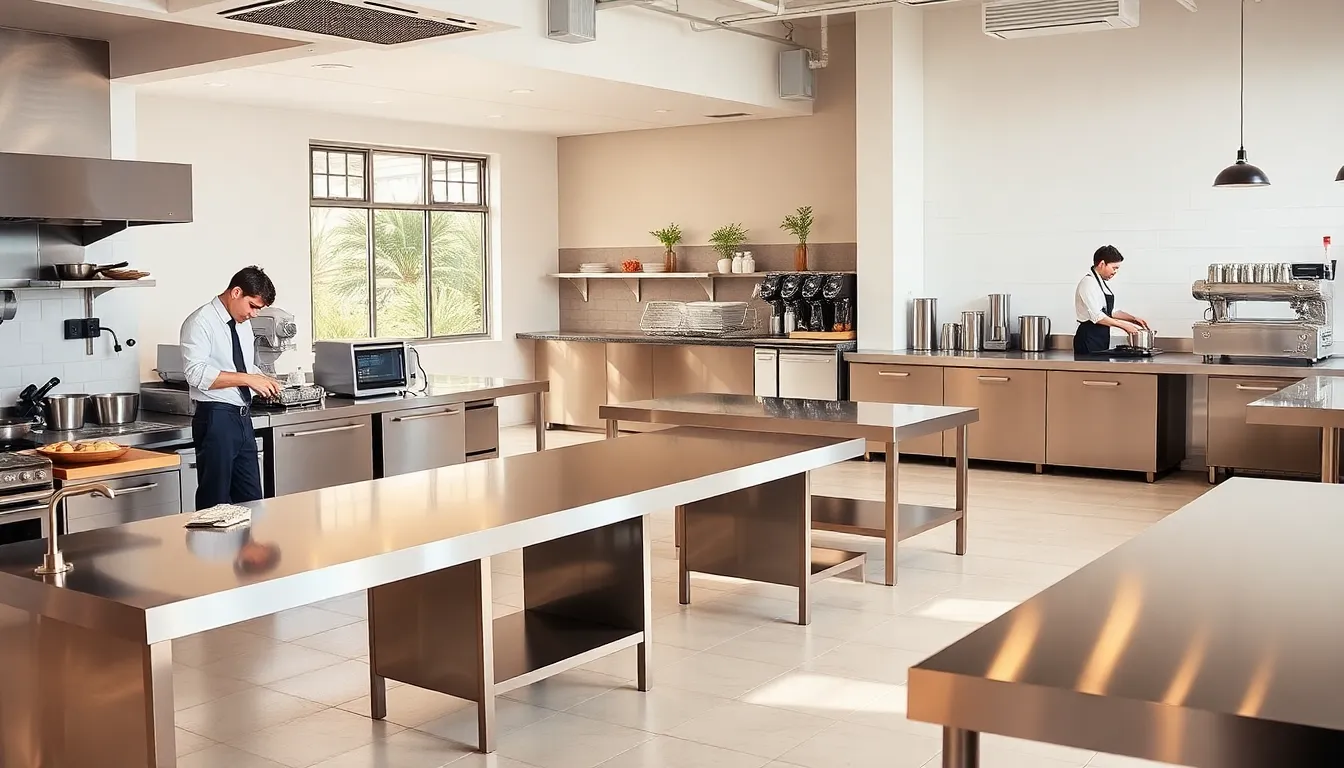
Stainless steel benches are highly adaptable, making them a first-choice installation for both back-of-house and sometimes front-of-house scenarios:
- Commercial Kitchens: Used as prep benches, cooking lines, and washing stations. Their ability to support heavy appliances and constant movement is a key advantage.
- Cafés and Bakeries: Often used for pastry prep, plating, barista stations, and ingredient storage.
- Food Processing and Catering: Large-scale food producers require benches that can handle volume: stainless steel fits these criteria easily.
- Outdoor and Alfresco Dining: Weatherproof properties make them suitable for outdoor kitchenettes or events, provided care is taken to avoid direct saltwater exposure.
- Medical and Laboratory Settings: The same easy-to-clean, hygienic properties mean stainless steel benches are frequently found in non-food applications too.
Cafe Solutions has noted a trend among Queensland venues for utilising stainless steel benches as multi-use islands, combining storage with workspace, a practical way to maximise space in ever-tightening café footprints.
Key Features to Look For in Stainless Steel Benches
Selecting the right bench goes beyond price point or size. It’s about getting the features that match daily business requirements in durability and efficiency.
Grade of Stainless Steel
Most commercial-ready benches use either 304 or 430 grade stainless steel. 304 provides superior corrosion resistance and is widely recommended for kitchens and wet areas, whereas 430 is acceptable for dry store rooms or less demanding applications.
Bench Thickness
Thickness affects durability. Typically, 1.2mm or above is preferred for top surfaces that undergo sustained use.
Reinforcement and Under-shelves
Sturdy under-shelves and bracing expand capacity for kitchenware and ingredients, helping smooth out back-of-house workflow. Look for adjustable or fixed shelving depending on storage priorities.
Backsplash and Edging
A raised backsplash prevents liquid from seeping down the wall and keeps work zones tidier. Rounded edges improve safety for busy staff.
Easy Assembly and Installation
Some models arrive fully welded while others are flat-packed. Businesses seeking quick kitchen fitouts often prefer fully welded options from suppliers like Cafe Solutions because they save on assembly.
Castors or Fixed Feet
Castors are crucial if the bench needs to be shifted for cleaning or rearrangement, while adjustable feet provide stability on uneven floors.
Cafe Solutions curates benches with each of these features, tailored to Australian business conditions and safety regulations.
Types of Stainless Steel Benches
There is no one-size-fits-all approach about stainless steel benches. Depending on the venue’s layout and type of service, operators can choose from:
- Flat Work Benches: The classic, multipurpose surface for food prep, storage, and general use. Available in different lengths and depths.
- Sink Benches: Integrated sinks (single or double) for dishwashing and cleaning produce. Essential for meeting food safety codes.
- Corner Benches: These are designed to maximise space in compact kitchens or awkward layouts. They connect seamlessly with straight benches for a continuous workspace.
- Wall Benches: Mounted against a wall, often with upstands to prevent spills and wall damage. Popular in line kitchens and service areas.
- Mobile Benches: Equipped with heavy-duty castors for movement, useful in multi-purpose venues or for cleaning under equipment.
- Custom Benches: Some providers, including Cafe Solutions, can arrange made-to-order sizing or features, delivering solutions for unusual kitchen layouts or special requirements.
Selecting the right type is as important as the build quality, particularly in Queensland, where kitchens range widely from inner-city espresso bars to regional food halls.
Care and Maintenance Tips
It’s easy to get the most out of stainless steel benches with a simple, consistent care routine. This not only extends their lifespan but also keeps surfaces hygienic and professional-looking.
- Routine Wiping: Use mild detergent and warm water. Wipe in the direction of the grain to keep the metal looking its best.
- Avoid Harsh Chemicals: Skip bleach or abrasive cleaners, which can cause pitting or dull the sheen of the steel.
- Remove Stains Promptly: Tea, coffee, and acidic foods can stain, so it’s important to clean spills quickly.
- Dry Benches After Washing: Prevents water spot build-up, especially in humid Queensland kitchens.
- Check For Scratches: Over time, some scratching is normal. Light buffing with a soft cloth can reduce the appearance of superficial marks.
- Inspect Welds and Joints: Regularly check these spots for residue or signs of corrosion, especially on benches that have contact with salt air near the coast.
Cafe Solutions offers after-sales advice on maintenance, which can be a useful resource for first-time buyers or venues facing specialist challenges like heavy foot traffic or high humidity.
Cafe Solutions
Cafe Solutions offers a comprehensive range of high-quality café and restaurant furniture, including chairs, tables, bar stools, benches, and sinks, suitable for both indoor and outdoor settings. They provide fast shipping across Australia, ensuring prompt delivery to various locations.
Contact:
Russell Crawford, Spokesperson
Phone: (07) 3184 8441
Email: [email protected]
Website: www.cafesolutions.com.au
Location:
12 Kingsbury St, Brendale QLD 4500
Frequently Asked Questions about Stainless Steel Benches
What are the main benefits of using stainless steel benches in commercial kitchens?
Stainless steel benches are highly durable, easy to clean, and hygienic. Their non-porous surface resists bacteria, and their corrosion resistance makes them ideal for busy hospitality environments where food safety and longevity are essential.
Which grade of stainless steel is best for kitchen benches?
Grade 304 stainless steel is generally recommended for kitchens and wet areas due to its superior corrosion resistance. Grade 430 can be suitable for dry store rooms or less intensive commercial applications.
How should I maintain stainless steel benches to prevent rust and stains?
Wipe benches regularly with mild detergent and warm water, avoid harsh chemicals, and dry surfaces after cleaning to prevent water spots. Quickly clean up spills, especially acidic foods or drinks, to prevent staining and maintain their appearance.
Can stainless steel benches be used outdoors?
Yes, stainless steel benches are suitable for outdoor use due to their weatherproof properties, but care should be taken to avoid prolonged exposure to saltwater or harsh elements, which could affect longevity.
Are stainless steel benches suitable for home kitchens as well as commercial spaces?
While commonly found in commercial kitchens, stainless steel benches can also be ideal for home use, especially in busy or gourmet kitchens where hygiene, durability, and easy maintenance are valued.
How do I choose between mobile and fixed stainless steel benches?
Choose mobile benches with castors if you need to move the bench for cleaning or rearrangement. Fixed benches, often with adjustable feet, provide stability and are better suited for permanent installation in specific locations.