
China has emerged as a global manufacturing powerhouse for CNC machining services, delivering precision-engineered components with tolerances as tight as ±0.005mm whilst offering cost savings of 15-40% compared to Western suppliers. Chinese manufacturers combine state-of-the-art multi-axis machining centres, AI-driven quality control systems, and a highly skilled workforce of over 2 million trained machinists to serve demanding industries including automotive, aerospace, and consumer electronics. Companies seeking cnc machining china services benefit from advanced technology investments, ISO-certified quality management systems, and efficient supply chains that enable rapid prototyping and high-volume production with lead times often under two weeks for complex custom components.
What Is CNC Machining?
CNC machining uses computer software to control machining tools such as mills, lathes, grinders, and routers. The process starts with precise digital instructions, often created from 3D CAD models. Automated commands direct the cutting, shaping, and drilling of raw materials, allowing for accurate and repeatable production of metal and plastic parts.
Manufacturers apply CNC machining for tasks requiring tight tolerances and complex geometries. Production runs can range from single prototypes to thousands of finished components. CNC machines operate in enclosed environments to ensure safety and minimize error.
International suppliers like those in China and US-based companies—such as Yijin Hardware in Homestead, FL—deliver CNC machining services that meet the requirements of industries including automotive, aerospace, medical, and energy. Major benefits include consistent quality, fast turnaround, and the capability to work with stainless steel, aluminum, titanium, brass, and engineering plastics. CNC machining supports cost-effective manufacturing for both custom hardware and high-volume orders.
Why Choose CNC Machining in China?
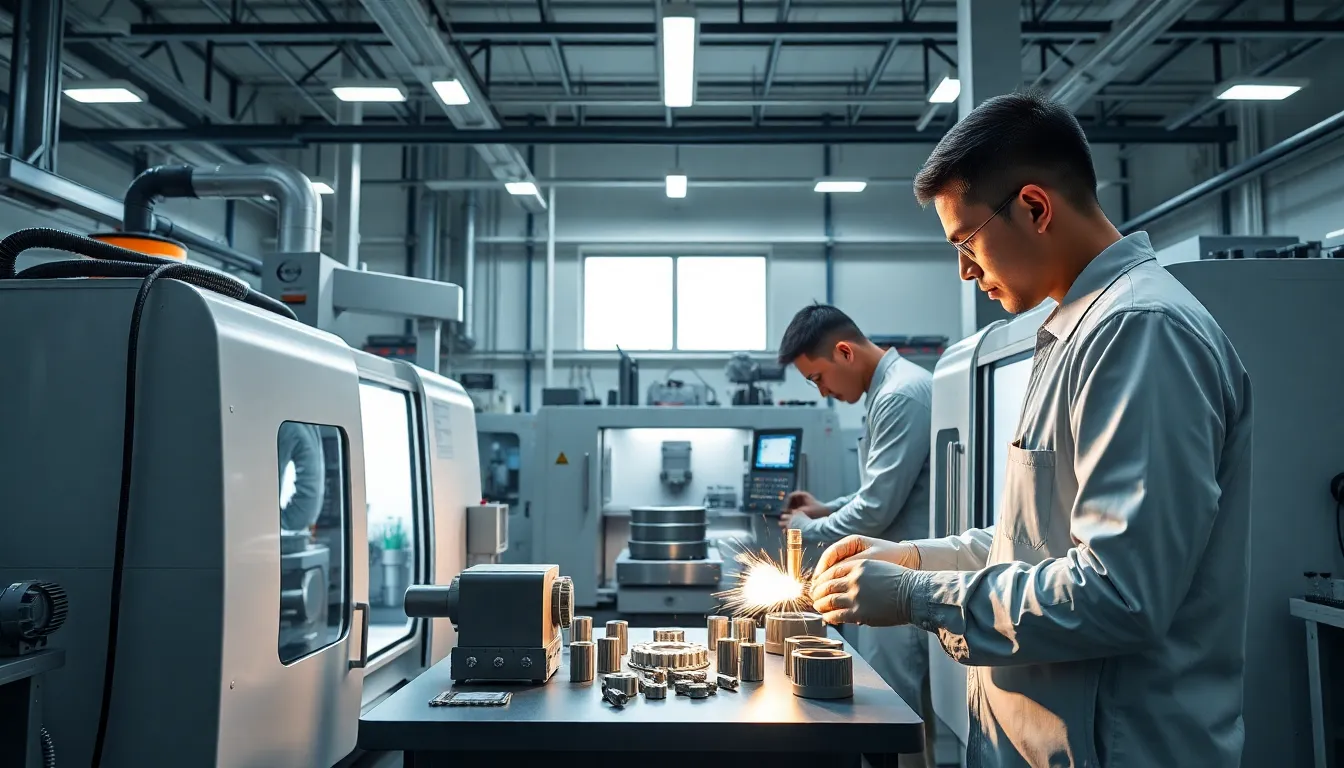
CNC machining in China delivers a strong combination of efficiency and precision. China’s CNC services support international production demands for custom and high-volume parts.
Cost Advantages
CNC machining in China offers significant cost savings due to reduced material expenses, energy use, and labor rates. Chinese manufacturers operate at 15-40% lower labor costs than US or EU suppliers for machine operators and support staff, according to Deloitte (2023). Bulk procurement power, efficient workflows, and a mature supply chain further reduce costs. Businesses benefit from affordable prototype development, production tooling, and finished components. Example sectors with the highest savings include consumer electronics, automotive castings, and metal enclosures.
Access to Advanced Technology
Chinese CNC machining facilities invest in the latest 3-, 4-, and 5-axis CNC machines and multi-tasking centers. Factories implement AI-driven quality control and smart manufacturing integration, according to industry reports from Statista (2023). Advanced CAD/CAM software enables the production of intricate parts with micron-level tolerances. Rapid prototyping tools and automated tool changers help deliver quick setups and consistent batches. Manufacturers in China typically achieve ±0.005 mm or tighter for aerospace components and electronic housings.
Skilled Workforce
Chinese CNC machining companies employ highly trained machinists, programmers, and engineers with technical certifications. Over 2 million workers in the sector complete vocational training each year, as reported by China’s Ministry of Education. Workforce expertise supports complex component design, tight-tolerance manufacturing, and rapid process changes. Precision part fabrication for automotive gears, medical implants, and robotics parts showcases this skill base. Training programs and partnerships with technical universities continue to strengthen the labor force.
Key Industries Benefiting From CNC Machining China
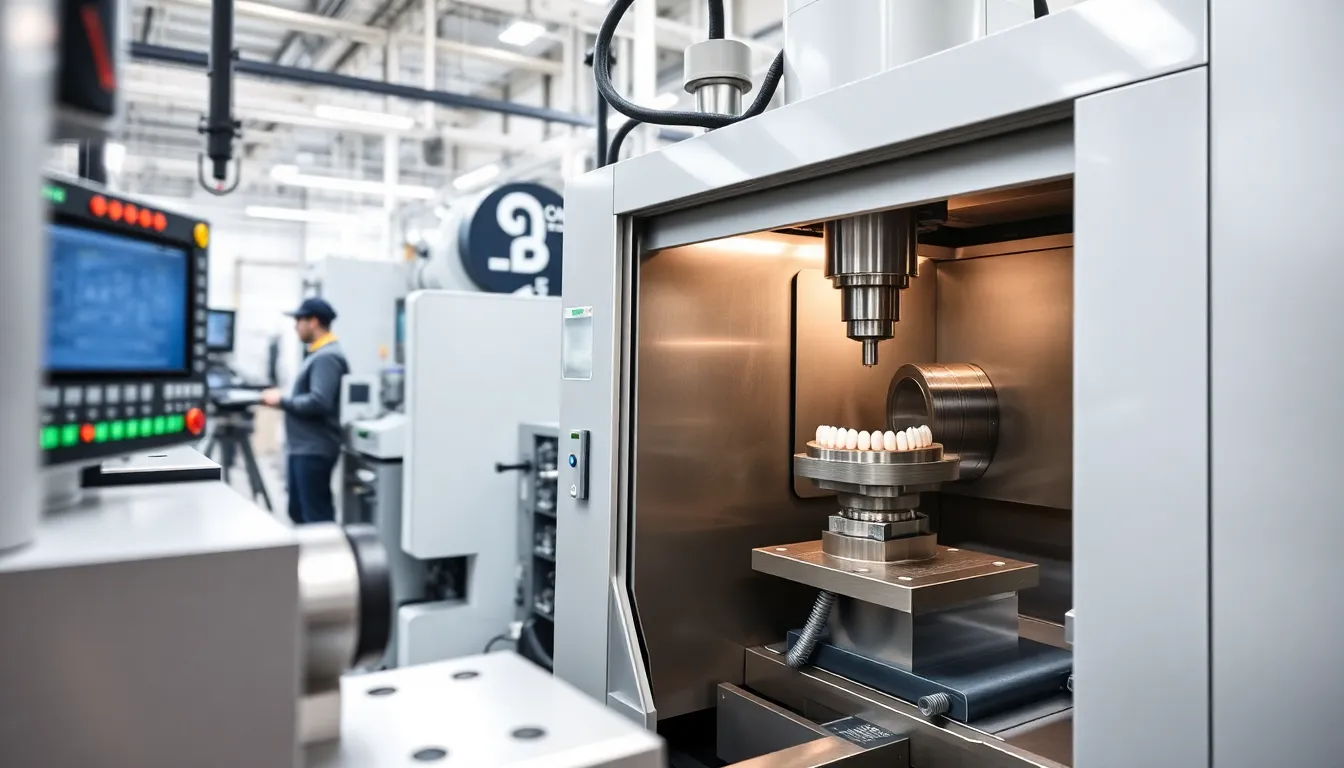
CNC machining in China supports high-precision production for multiple sectors. Key industries achieve consistent quality, reduced costs, and efficient lead times by working with experienced Chinese CNC suppliers.
Automotive
Automotive manufacturers use CNC machining in China for engine parts, gearboxes, and custom brackets. Chinese suppliers achieve dimensional tolerances of ±0.01 mm on critical drivetrain components, supporting high-output assembly lines. Tier 1 and Tier 2 auto brands source aluminum and steel housings, injection system parts, and transmission covers from these factories. Rapid prototyping and short tooling cycles shorten preproduction for electric vehicle models. According to the International Organization of Motor Vehicle Manufacturers (OICA), over 22 million vehicles are manufactured in China annually, with many assemblies depending on CNC-machined components for drivetrain and safety. CNC machining enables just-in-time inventory for global automotive supply chains.
Aerospace
Aerospace firms source turbine blades, heat-resistant fasteners, and landing gear bushings from CNC machining providers in China. Suppliers use 5-axis milling and multi-tasking lathes to meet aerospace standards (AS9100, ISO 9001) with tolerances as low as ±0.005 mm. Manufacturers produce lightweight titanium and Inconel parts, supporting commercial aircraft production and satellite hardware. Chinese CNC facilities offer traceability, surface inspections, and material certification required by aerospace authorities like the Civil Aviation Administration of China (CAAC). Large programs for UAVs, helicopters, and passenger jets partner with leading CNC shops for both prototype and serial production.
Consumer Electronics
Consumer electronics leaders order aluminum casings, custom heat sinks, and precision shafts from CNC machining providers in Shenzhen, Dongguan, and Suzhou. CNC technology supports mirror-polished finishes and micron-level accuracy for tablet and smartphone frames. Leading brands use these CNC parts in product launches and scale up production based on demand. Factories in China deliver batches of 10 to 100,000 units with lead times under two weeks. CNC machining enables rapid design changes for wearables, laptops, and gaming devices, meeting the fast-paced requirements of global electronics markets. Industry statistics show China exports over $900 billion in electronics each year, with CNC machining driving much of the high-value assembly.
How to Select a Reliable CNC Machining Supplier in China
Selecting a CNC machining supplier in China impacts product quality and manufacturing efficiency. Businesses choose suppliers based on clear criteria, focusing on verified capabilities and proven reliability.
Factors to Consider
- Certifications and Compliance: Verify that the supplier holds ISO 9001 or IATF 16949 certifications, as documented by organizations such as the International Organization for Standardization, covering quality control for components used in industries like automotive and aerospace.
- Production Capability: Assess the supplier’s machine inventory and maximum part size, ensuring capability for batch production and complex geometries, for example, multi-axis milling of aluminum housings or steel shafts.
- Quality Control Processes: Check for systematic use of CMM inspections, in-process checks, and documented inspection reports, essential for meeting industry tolerances such as ±0.01 mm.
- Experience with Export Orders: Confirm the supplier’s track record for overseas orders by reviewing evidence of prior shipments to markets such as the US or EU and details about logistics partners.
- Customer References and Reviews: Request recent references for completed projects involving custom components like enclosures, brackets, or gears for sectors including electronics and medical devices.
Questions to Ask Potential Suppliers
- What CNC machines and software do you use? Ask for details on machine models (e.g., Haas VF-3 or DMG Mori) and software (e.g., CAD/CAM platforms), which determine capability and accuracy.
- Can you provide documentation for material sourcing? Request mill certificates for metals or plastics, confirming compliance with industry standards such as ASTM or RoHS for export components.
- What inspection methods are used for each batch? Require specifics on measurement equipment—like CMMs or laser micrometers—and process, for verifying tolerance compliance.
- How do you handle delivery timelines and order tracking? Clarify shipping partners and tracking systems, ensuring delivery reliability to locations such as North America or Europe.
- Are NDA and intellectual property agreements supported? Ensure the supplier protects design files and proprietary technology, particularly when dealing with custom parts or confidential prototypes.
Common Challenges and Solutions in CNC Machining China
Quality Control Consistency
Chinese CNC manufacturers encounter challenges with maintaining consistent quality for high-precision orders, especially across large batches. Chinese workshops implement multi-step inspections with CMMs (Coordinate Measuring Machines), using ISO 9001-certified quality management systems for traceability.
Material Sourcing and Authentication
Some suppliers in China face issues with verifying raw material specifications, leading to disputes about grades. Reputable CNC machining firms provide material certifications and third-party test reports, supporting transparency for international clients.
Communication Barriers
Language differences can impact technical documentation and project specifications. Leading factories offer bilingual project managers and real-time updates, minimizing misinterpretation in CAD file revisions and approval processes.
Intellectual Property Protection
Clients express concerns about IP theft when sharing CAD models for custom hardware production in China. Manufacturers use NDA agreements, restricted file access, and off-site servers to secure customer designs throughout the process.
Lead Time and Logistics Issues
Shipping constraints, holidays, and customs inspections sometimes cause delays in CNC part delivery from China. Reliable suppliers build in buffer times, use expedited shipping partners, and provide tracking for higher transparency and fewer delays.
Technical Capability Limits
Not all CNC shops in China operate advanced 5-axis machines or meet micron-level tolerances for aerospace and medical applications. Buyers select partners with certified facilities, ongoing technology investments, and proven portfolios in demanding sectors.
Conclusion
CNC machining in China continues to reshape global manufacturing by offering a unique blend of advanced technology skilled labor and cost savings. Companies looking to stay competitive are finding that the right Chinese partner can deliver high-quality custom components with impressive speed and precision.
With careful supplier selection and a focus on quality standards businesses can open new possibilities for innovation and growth through CNC machining in China. This dynamic sector shows no signs of slowing down as it sets new standards for efficiency and reliability worldwide.
Frequently Asked Questions
What is CNC machining?
CNC machining is a manufacturing process where computer software controls machine tools like mills and lathes to produce precise parts from digital designs. It is used for both metals and plastics, enabling fast and repeatable production of components with complex geometries and tight tolerances.
Why are businesses choosing CNC machining in China?
Businesses choose CNC machining in China due to its high precision, fast production, skilled workforce, and significant cost savings over US or European suppliers. Chinese manufacturers also invest heavily in advanced technology and quality control, making them reliable partners for both custom and bulk orders.
Which industries benefit most from CNC machining in China?
The automotive, aerospace, and consumer electronics industries benefit most. Chinese CNC suppliers produce critical automotive components, high-precision aerospace parts, and custom electronics hardware, supporting efficient manufacturing and meeting strict quality standards across these sectors.
How do I choose a reliable CNC machining supplier in China?
Look for suppliers with internationally recognized certifications (like ISO 9001), verified production capabilities, thorough quality controls, experience in export orders, and strong customer references. Ask about the types of machines used, materials sourcing, inspection processes, delivery terms, and intellectual property protections.
What quality assurance methods do Chinese CNC manufacturers use?
Many Chinese CNC shops use advanced inspection tools like coordinate measuring machines, implement AI-driven quality checks, and follow strict process documentation. Reputable suppliers will provide inspection records and can comply with specific industry standards or customer requirements.
Are there any risks or challenges with CNC machining in China?
Yes, challenges include maintaining consistent quality, verifying raw material specs, communication barriers, intellectual property protection, and possible shipping delays. These can be managed by choosing certified, experienced suppliers who offer clear documentation, robust NDAs, and reliable logistics support.
How do Chinese CNC manufacturers protect customer designs and intellectual property?
Most reputable manufacturers sign non-disclosure agreements (NDAs), limit file access, and have secure data systems to protect customer designs and sensitive information. Always confirm that your supplier follows strict IP protection protocols before sharing drawings or confidential data.
What materials can be machined by Chinese CNC suppliers?
Chinese CNC manufacturers can work with a wide range of metals (steel, aluminum, titanium, brass) and plastics (ABS, PEEK, polycarbonate). Their advanced equipment allows them to handle both standard and specialized materials for different industry applications.
Can Chinese CNC machining suppliers handle both prototypes and large-volume orders?
Yes, most leading Chinese CNC suppliers offer services for single prototypes, small batches, and mass production runs. Their flexible processes and scalable facilities make them suitable for projects of all sizes, supporting rapid prototyping as well as high-volume delivery.