Power bank circuit board assembly factories produce portable charger PCBs using automated SMT lines, AOI inspection, X-ray technology, and ICT testing through processes including fabrication, component placement, reflow soldering, and functional testing. Quality control involves rigorous inspection at multiple stages, ensuring UL, CE, IEC, RoHS, and REACH compliance for global markets while addressing challenges like thermal management and component miniaturization. WellPCB combines advanced automation with skilled oversight and sustainable practices including material recycling and energy-efficient equipment for reliable, environmentally responsible production.
Key Takeaways
- A power bank circuit board assembly factory combines advanced automation with skilled oversight to produce reliable portable charger PCBs.
- Quality control in power bank circuit board assembly involves rigorous inspection, testing, and full traceability to ensure product safety and reliability.
- State-of-the-art factories use SMT lines, AOI, X-ray, and ICT technology to achieve accurate, high-volume power bank circuit board production.
- Meeting international safety and environmental standards is essential for power bank circuit board assembly factory operations, especially for global markets.
- Modern assembly plants prioritize sustainability by recycling materials, enhancing energy efficiency, and using RoHS-compliant components.
Understanding Power Bank Circuit Boards
A power bank circuit board is the heart of any portable charger, managing the charging and discharging processes, power conversion, protection, and communication with external devices. These boards integrate several functional blocks: the lithium battery management IC, charging/discharging control circuits, voltage regulators, and protection circuits against short circuits, overcharge, or over-discharge. Factory teams select board layouts and components based on the output requirements, battery chemistries, and safety compliance specifications for target markets. WellPCB, with its operations in China, designs and assembles power bank PCBs to global customer specifications, ensuring practical balance between cost, size, safety, and functional reliability.
Key Stages of Circuit Board Assembly
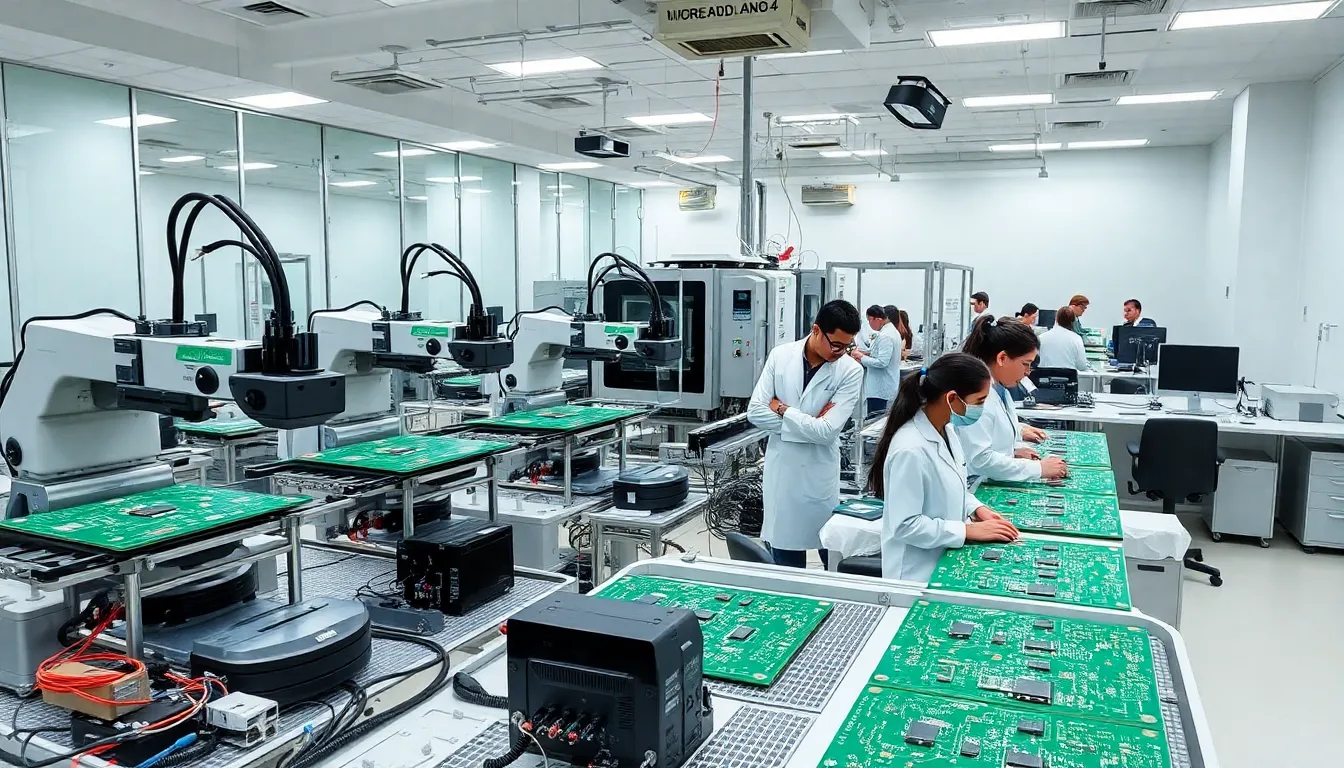
Power bank circuit board assembly follows a series of organized steps designed for accuracy and repeatability. The process typically includes:
- PCB Fabrication: The bare board is produced from base materials such as FR-4, using precise layer stacking, pattern etching, and hole drilling.
- Solder Paste Application: Automated machines stencil solder paste onto the pads where components will be placed.
- Component Placement: Pick-and-place robots accurately position SMD (surface mount device) and through-hole components according to the design file.
- Reflow Soldering: The board passes through a reflow oven to securely bond components using controlled heating profiles.
- Manual Insertion and Wave Soldering: Any larger connectors or THT (through-hole technology) parts are inserted and soldered.
- Inspection and Touch-up: Skilled technicians review assemblies, performing corrective work on joints or components if needed.
- Programming and Functional Testing: Essential for power bank boards, onboard microcontrollers and protection ICs are programmed and then functionally tested.
WellPCB employs advanced SMT lines and thorough manual oversight at each stage, allowing flexible, small-to-large batch production while meeting customer schedules.
Essential Equipment and Technology Used
Factories focused on power bank circuit boards rely on highly automated and precise technology to maintain quality and efficiency:
- SMT (Surface Mount Technology) Lines: Multistation lines include solder paste printers, pick-and-place machines, and reflow ovens, all optimized for speed and consistency.
- AOI (Automated Optical Inspection): High-resolution cameras check for missing components, misalignment, or soldering defects immediately after assembly.
- X-Ray Inspection: Identifies internal shorts or issues in BGA (ball grid array) or multilayer assemblies, which are key for compact power bank designs.
- ICT (In-Circuit Testing) Fixtures: Allow factories to check electrical performance during and after assembly.
WellPCB integrates these technologies at its facilities, combining automation with skilled personnel for custom and mass production jobs. This enables the rapid turnover, traceability, and high standards required by global electronics brands.
Quality Control and Testing Procedures
Quality assurance is non-negotiable in power bank circuit board production, since user safety and product reliability are directly affected by any defect. Common quality control steps include:
- Incoming Material Checks: PCBs and components undergo verification for specification and batch authenticity before assembly.
- In-Process Inspection: AOI and manual checks are conducted at multiple stages to catch defects early.
- Functional Testing: Boards are powered up in simulation rigs, running full charge/discharge cycles and validating overvoltage, overcurrent, and short-circuit protection.
- Aging and Reliability Tests: Some factories run stress tests at elevated temperatures to expose latent defects. WellPCB performs these as needed based on customer and market requirements.
Documented testing protocols and full traceability ensure every product shipped meets the required international and customer-specific standards.
Challenges and Standards in Circuit Board Manufacturing
The demand for higher energy density, longer battery life, and smaller sizes in power banks creates real production challenges. Factories must guarantee safe operation even though these compact designs. This requires attention to:
- Thermal Management: Compact power bank PCBs can heat up quickly. Factories must ensure thermal relief paths and use materials rated for higher current densities.
- Component Miniaturization: Smaller chips and tighter layouts increase the risk of assembly faults, requiring best-in-class placement technology.
- International Standards: Compliance with safety (UL, CE), reliability (IEC), and environmental (RoHS, REACH) guidelines is mandatory, especially for export markets.
WellPCB maintains updated certifications and trains its staff in evolving industry standards, offering customers the assurance that their products are globally compliant.
Sustainability Practices in Modern Factories
Modern circuit board assembly plants are increasingly focused on environmental responsibility. Initiatives include:
- Recycling and Waste Reduction: Recovering leftover solder, recycling scrap PCBs, and proper chemical disposal.
- Energy Efficiency: Upgrading to energy-efficient SMT ovens and equipment, installing LED lighting, and optimizing HVAC use.
- Green Materials: Transitioning to RoHS-compliant parts and lead-free assembly processes even when not legally mandated.
WellPCB‘s Chinese facilities take measures to minimize environmental impact, regularly auditing processes and educating staff on sustainable practices. These actions help ensure that production runs are both responsible and cost-effective.
Frequently Asked Questions about Power Bank Circuit Board Assembly Factories
What is a power bank circuit board assembly factory?
A power bank circuit board assembly factory specializes in assembling the electronics inside portable chargers. These factories manage the process from sourcing circuit boards to assembling, testing, and ensuring the final product meets global safety and reliability standards.
How do power bank circuit board assembly factories ensure product quality?
Factories use multiple quality assurance steps, including automated optical inspection, functional testing, and aging stress tests. This helps confirm boards operate safely and reliably, complying with international standards like UL, CE, and RoHS before shipping.
What technologies are used in power bank circuit board assembly?
Power bank circuit board assembly factories utilize SMT lines, AOI equipment, X-ray inspection, and ICT testing fixtures. These tools automate component placement, detect assembly defects, and ensure electrical performance of the finished product.
Why is compliance with international standards important for power bank circuit boards?
Compliance with standards such as UL, CE, IEC, RoHS, and REACH is crucial to ensure product safety, reliability, and environmental responsibility—especially for export markets. It assures customers that their power banks are safe and meet regulatory requirements.
How can I choose a reliable power bank circuit board assembly factory?
When selecting a power bank circuit board assembly factory, consider their certifications, experience with automated assembly technology, quality assurance protocols, and commitment to compliance with international standards. Customer reviews and audit reports can also help inform your decision.
What are common challenges faced by power bank circuit board assembly factories?
Common challenges include managing thermal issues in compact designs, miniaturizing components without increasing faults, and meeting evolving safety and environmental standards. Factories address these by using advanced manufacturing technology and ongoing staff training.